

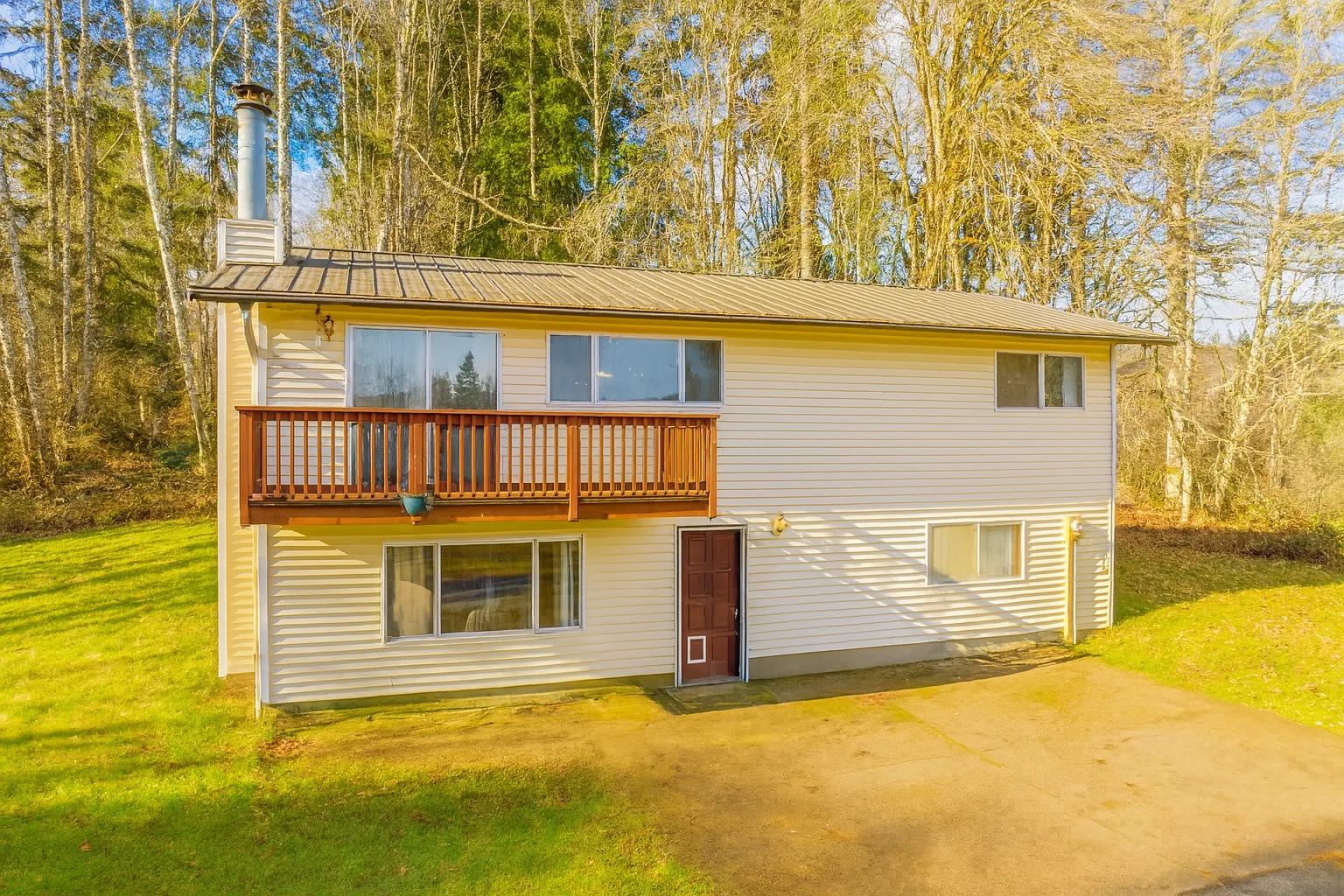
Getting ready to sell can feel like opening a dozen projects at once. Painting, cleaning, landscaping, photos, pricing, paperwork — where do you even begin? I usually recommend starting with information, not a shopping list.
First, talk about why you're moving.
Is there another home to buy? A job change? A timeline you need to work around? Or are you simply wondering whether selling would make sense? Those answers shape the plan. There is no benefit to rushing into expensive updates before you know what you need the sale to accomplish.
Find out where the home fits in the market.
We'll review comparable properties, competing listings, the condition of your home and any features that make it different. From there, we can discuss a pricing range and the likely trade-offs. A comparative market analysis is an estimate, not a guarantee of value or an appraisal.
Prioritize the work that matters.
Health and safety issues, obvious maintenance concerns, and conditions that could limit financing deserve attention. But not every cosmetic project will return its cost. Sometimes a deep clean, simple repairs, and thoughtful presentation are better first steps than a major renovation.
Look at the numbers before deciding.
Ask for an estimated net sheet so you can see potential proceeds after mortgage payoffs, closing costs, agreed compensation and other expenses. The estimate may change as exact charges and terms become known, but it helps you decide whether the timing works.
Build a plan you can manage.
Once we understand the goals and likely market position, we can organize the next steps: preparation, photography, listing launch, showing access and communication. You should know what we're working on and why.
My advice: You don't have to have the entire house ready before starting a conversation. Let’s start with where things stand, look at the data, and make a plan from there.
Find my selling starting point