

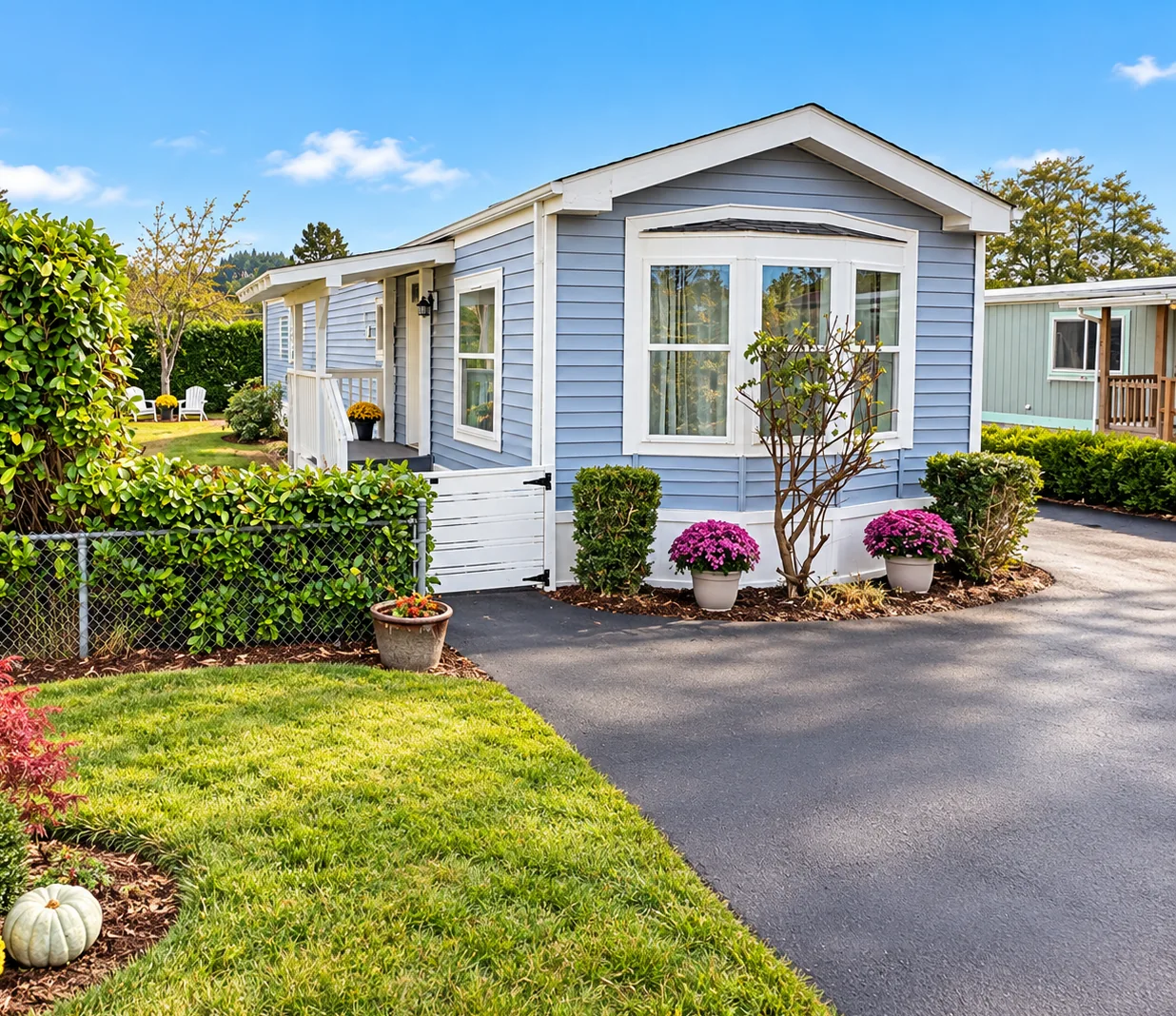
It's easy to compare square footage, bedrooms, and asking prices. The harder — and more useful — questions are about what each home will ask of you after closing.
Start with how you live.
Where do you need to be during a normal week? Will the commute, layout, yard and neighborhood fit the way you live now? If your plans change, would the property still work for you?
Look at the systems and condition.
A home with a lower price but major deferred maintenance may have higher immediate costs. Review available disclosure information and talk through appropriate inspections. An inspector or other qualified professional should evaluate technical concerns.
Understand the financing.
Loan programs may treat property types and conditions differently. Rural homes, manufactured housing, condominiums and properties needing repairs can have special considerations. Confirm the options and estimated payments directly with your lender.
Consider the ongoing costs.
Property taxes, insurance, utilities, HOA or land-lease obligations, maintenance and travel time can affect your budget. Ask for actual documents rather than assuming the listing summary tells the whole story.
Compare the terms, not just the offer price.
Earnest money, contingencies, closing timelines, possession and requested repairs all matter. The goal isn't simply to win an offer. It's to understand the commitment you're making.
Bottom line: We can put the options side by side, find the missing information, and talk through the trade-offs. No pressure, no rushing — just data and choices.
Browse the current Lofty IDX search →